How to Stop Snoring: Causes, Treatments and Remedies
Top EndorsedBASIS Award 202020+ indexed publications6 book projects
Registered pharmacist and medical writer specializing in manuscripts, systematic reviews, pharmacovigilance, regulatory writing and patient education content.

Tap a platform above to view that profile
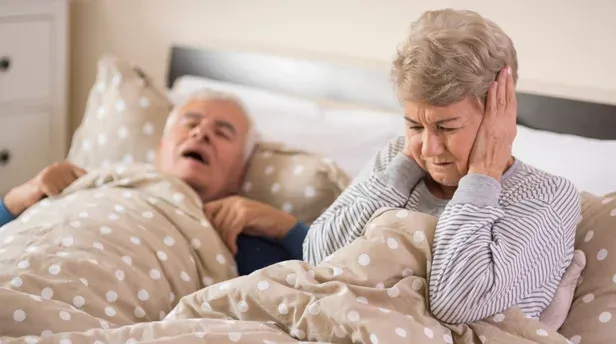
If you have ever been elbowed awake for snoring, or you lie next to someone whose snoring fills the room, you already know how much it can wear on both of you. So here is the reassuring part first. Snoring is simply the sound made when air moving through your upper airway during sleep becomes turbulent and vibrates the soft tissues at the back of your nose and throat, such as the soft palate, uvula, pharyngeal walls (the sides of the throat) and the base of the tongue. Light, occasional snoring is very common and often nothing to worry about.1,2
Loud snoring most nights is a different story. It can fragment your partner's sleep, leave you groggy the next day, and sometimes it is your body's way of flagging a breathing problem during sleep. Doctors sort snoring into two kinds. Primary snoring means snoring on its own, without obstructive sleep apnea (OSA) or another sleep-related breathing disorder. Secondary snoring means snoring that is driven by another condition, most often OSA.1,2
Obstructive sleep apnea is a sleep-related breathing disorder in which the upper airway repeatedly narrows or fully collapses during sleep, so your breathing keeps pausing or dropping. OSA is common worldwide. Risk increases with excess body weight, older age and male sex.3,4
This is why loud, habitual snoring deserves attention rather than embarrassment. Snoring has been linked with a higher risk of stroke and coronary heart disease, and when OSA goes untreated it is tied to hypertension (high blood pressure), atrial fibrillation (an irregular, often rapid heartbeat), coronary artery disease, stroke and higher rates of cardiovascular death.5,6
None of this means you are stuck with it. The first real step is simply working out why you snore, because the right approach depends on the cause, whether that is primary snoring, a blocked nose, your sleep position, extra weight, alcohol, sedative-hypnotic medicines (drugs that calm anxiety or help you sleep), your airway anatomy or OSA.1,2
Why Snoring Happens
When you drift off, the muscles that hold your upper airway open relax along with the rest of you. If that airway narrows, the air you breathe has to squeeze through, turns turbulent and sets the nearby soft tissues vibrating. That vibration is the sound your partner hears.1

So the real question is what is narrowing your airway in the first place. Usually it comes down to one or more of the following.
Common Causes of Snoring
Nasal Obstruction
When your nose is blocked, you naturally fall back on breathing through your mouth as you sleep, and mouth breathing tends to make snoring worse. Plenty of everyday things can stuff up your nose: nasal congestion, allergic rhinitis (nasal inflammation caused by an allergy), chronic rhinosinusitis (long-lasting inflammation of the sinuses), nasal polyps (soft growths in the lining of the nose) and a deviated nasal septum (a crooked or off-center wall between the nostrils).1
Reduced Upper Airway Muscle Tone
Your tongue, soft palate and throat muscles all loosen naturally while you sleep, and a few things loosen them even further: alcohol, sedative-hypnotic medicines and simply getting older. The more these muscles relax, the more easily the airway can narrow.1,4,7
If you take a prescribed sleep or anxiety medicine, please do not stop it on your own. Instead, mention your snoring to your physician and ask whether the medicine could be part of the picture, especially if OSA is a possibility.
Excess Body Weight
Extra weight, particularly around the neck and throat, presses in on the airway and narrows it, which raises the odds of both snoring and OSA. Of everything that feeds into OSA, body weight is one of the most important that you can actually do something about.3,4

Upper Airway Anatomy
Sometimes the shape you were born with is part of the story. A long soft palate, an enlarged uvula (the small teardrop of tissue hanging at the back of the throat), large tonsils, a small lower jaw or mandibular retrognathia (a lower jaw that sits farther back than usual, leaving less room behind the tongue) can all shrink the space air has to travel through.1,4
Sleep Position
For a lot of people, snoring is at its worst flat on the back. In that position gravity lets the tongue and soft tissues fall backward and crowd the airway. When OSA follows the same pattern and is clearly worse on the back, it is called positional OSA.8,11
Obstructive Sleep Apnea
When snoring comes from OSA, it often sounds loud and ragged, and it may be broken up by choking, gasping or silent pauses where breathing briefly stops. If your partner has ever nudged you because you seemed to stop breathing, take that seriously.4
When to See a Physician
You do not need a doctor for the odd noisy night. But it is worth booking an appointment with a physician or sleep medicine specialist if your snoring is loud, happens most nights or comes with any of these:
- Pauses in breathing during sleep, or choking, gasping or snorting
- Feeling sleepy or drained during the day no matter how long you were in bed
- Morning headaches
- Trouble concentrating or remembering things
- High blood pressure or atrial fibrillation (an irregular heartbeat)
- Ongoing weight gain or obesity
- Snoring in every sleep position
- A partner who has noticed you stop breathing, or whose own sleep is badly broken up
To sort out whether OSA is behind it, your doctor may arrange a sleep study, either a home sleep apnea test or an overnight in-laboratory recording called polysomnography.4
Practical Ways to Reduce Snoring
Here is the honest truth: there is no single trick that works for everyone. What actually helps depends on why you snore, and above all on whether OSA is in the picture. The encouraging part is that many of the most effective steps are things you can start tonight.1,2
Lose Weight if You Have Overweight or Obesity
If you are living with overweight or obesity, losing some weight can genuinely ease OSA for many people. It is only fair to add that it does not cure it for everyone, because your airway shape, muscle tone and sleep position all still matter.12
There is also newer help for some people. In 2024 the US Food and Drug Administration approved tirzepatide, a prescription weight-management medicine, for adults who have obesity together with moderate to severe OSA, used alongside a reduced-calorie diet and more physical activity. This is not an over-the-counter snoring device, and it is a conversation to have with your physician rather than something to buy online.15,16
Avoid Alcohol Near Bedtime
That nightcap relaxes the very throat muscles you need to stay firm overnight, so it can turn a quiet night loud. If you notice your snoring is clearly worse after a few drinks, skipping alcohol in the evening is an easy first experiment.7
Review Sedative-Hypnotic Medicines
Some sleep and anxiety medicines can further relax upper airway muscles during sleep. Never stop a prescribed medicine on your own, but do ask your physician whether anything you take could be adding to your snoring, daytime sleepiness or possible OSA.1,4
Stop Smoking
Cigarette smoke irritates and inflames the lining of your nose and throat, and smoking tends to travel with several of the risk factors for sleep-disordered breathing. Quitting is hard, and it is one of the kindest things you can do for your airway, on top of everything else it does for your health.4
Sleep on Your Side
If your snoring is mainly a back-sleeping problem, rolling onto your side may be all it takes. Staying there is the hard part, so a body pillow or a positional therapy device (a wearable that gently nudges you off your back) can help you hold the position through the night.8,11
When OSA itself is clearly worse on the back, guidelines support positional therapy for well-chosen patients, though the right choice still depends on how severe it is, your symptoms and what you can keep up with night after night.8,11
Treat Nasal Congestion
If a stuffy nose is part of your snoring, clearing it can bring real relief. Depending on the cause, that might mean saline nasal rinses, proper treatment for allergic rhinitis or a medical review for nasal polyps, chronic rhinosinusitis or a deviated nasal septum.1
Intranasal corticosteroid sprays (steroid nasal sprays that calm inflammation) can help allergy-related congestion. Over-the-counter decongestant sprays can unblock you for a night or two, but do not lean on them for long, because using them too many days in a row can actually leave you more congested.
Use Nasal Strips or Nasal Dilators Realistically
Nasal strips and nasal dilators can make your nose feel more open, and for some people with a blocked nose that is a welcome comfort. Just keep your expectations honest: their effect on actual snoring is inconsistent, and they are not a treatment for OSA.17
Raise the Head of the Bed
Lifting the head of the bed a little helps some people breathe more easily at night. The evidence behind it is thin, so treat it as a low-cost comfort worth trying, not a proven fix for OSA.
Keep the Bedroom Air Comfortable
Dry air can scratch at your nose and throat. If dryness is clearly one of your triggers, a humidifier may soothe things, but it is a comfort measure rather than a treatment for OSA.
Oropharyngeal Exercises and Myofunctional Therapy
There is real science behind working your airway. Oropharyngeal exercises, also called myofunctional therapy, are simple daily workouts for the tongue, soft palate and throat muscles. In some adults they ease OSA and daytime sleepiness, though they work less well than continuous positive airway pressure (CPAP), and their effect on snoring itself is less certain.13,14
Think of them as a helpful add-on for motivated people rather than a replacement for medical treatment when OSA is present. They only pay off if you genuinely keep them up.
Alternative Measures: Singing and Didgeridoo Practice
You may have seen claims that singing or playing the didgeridoo can quiet snoring, and there is a grain of truth to them. Small studies hint that both may improve snoring or daytime sleepiness, probably by toning the same airway muscles. The evidence is limited and mostly older, so enjoy them if they appeal to you, but do not count on them in place of proven treatment for OSA.18,19
Medical Treatments for Snoring and OSA
If self-help has not been enough, please do not lose heart, because this is exactly where medical treatment steps in. What your doctor recommends depends on the diagnosis, and when OSA is present the goal is to keep your upper airway open and steady through the night.
Continuous Positive Airway Pressure
Continuous positive airway pressure (CPAP) is the mainstay for moderate to severe OSA. A small bedside machine gently blows pressurized air through a mask to hold your airway open while you sleep, and it generally lowers the apnea-hypopnea index more than an oral appliance does.8,9
The apnea-hypopnea index, or AHI, is simply the number of times each hour your breathing pauses or drops. It is the figure your sleep team uses to gauge how severe OSA is and how well treatment is working.
Oral Appliances
Oral appliances, often called mandibular advancement devices, are custom-fitted dental mouthpieces that hold your lower jaw gently forward overnight, opening up the space behind your tongue and easing snoring or OSA in the right patients.10
They are a reasonable choice if you have primary snoring, or if you have OSA but prefer them or cannot get along with CPAP. CPAP usually improves sleep-study measures more than oral appliance therapy, yet many people simply wear an oral appliance more faithfully, and the treatment you will actually use every night is the one that helps you.10,11
Positional Therapy Devices
If your snoring or OSA is tied to sleeping on your back, positional therapy devices can cut down the time you spend there. Some buzz gently to remind you to turn over, others simply make back-sleeping less comfortable.8,11
Surgery
Surgery is usually a considered step for selected patients after a proper medical work-up, not a first move. The aim is to fix a specific spot where the airway is blocked, not to promise a universal cure. Depending on where the problem sits, options may include:
- Tonsillectomy, to remove enlarged tonsils
- Nasal septoplasty, to straighten a deviated nasal septum
- Surgery for nasal polyps or enlarged turbinates (the tissue-covered ridges inside the nose)
- Palatal surgery, for selected obstruction at the soft palate
- Maxillomandibular advancement, which moves the upper and lower jaws forward in selected people whose jaw structure crowds the airway
- Hypoglossal nerve stimulation, for selected adults with moderate to severe OSA who cannot use CPAP and meet specific anatomical and clinical criteria8
Hypoglossal nerve stimulation uses a small implanted device to stimulate the nerve that moves the tongue, nudging it forward to keep the airway open during sleep. It is not a first-line answer for ordinary snoring.
The Best Plan to Stop Snoring
In the end, the best plan is the one that matches your cause.
If your snoring is mild and occasional, the simple things often add up to quiet nights: sleep on your side, skip late alcohol, keep your nose clear and give yourself steady, decent sleep.
If your snoring is loud and habitual, or it comes with breathing pauses or daytime sleepiness, please get it checked. The real concern is OSA, which quietly wears on your heart, your daytime energy and your quality of life, and it is very treatable once it is found.
And if there is any sign of OSA, do not pin your hopes on strips, sprays, pillows or home tricks. They may reduce snoring noise in some people, but they cannot diagnose or properly treat a breathing problem during sleep. You and your household deserve a clear answer, not just another temporary remedy.
YOU MAY ALSO LIKE READING THESE ARTICLES:
Written and medically reviewed by Imtiaz Ibne Alam, RPh, a registered pharmacist and medical writer. If you run a health, pharma or wellness brand and need accurate, evidence-based content like this, take a look at my medical writing services.
Medical Reference
Every claim in this article was checked against PubMed-indexed reviews, clinical practice guidelines, systematic reviews, meta-analyses, randomized trials and official health authority sources. The full reference list follows.
- Yap YY. Evaluation and management of snoring. Sleep Med Clin. 2022;17(1):25-39. doi:10.1016/j.jsmc.2021.10.010
- Changsiripun C, Chirakalwasan N, Dias S, McDaid C. Management of primary snoring in adults: a scoping review examining interventions, outcomes and instruments used to assess clinical effects. Sleep Med Rev. 2024;77:101963. doi:10.1016/j.smrv.2024.101963
- Lyons MM, Bhatt NY, Pack AI, Magalang UJ. Global burden of sleep-disordered breathing and its implications. Respirology. 2020;25(7):690-702. doi:10.1111/resp.13838
- Slowik JM, Sankari A, Collen JF. Obstructive sleep apnea. In: StatPearls. StatPearls Publishing; 2025. Updated March 4, 2025. Accessed July 8, 2026. https://www.ncbi.nlm.nih.gov/books/NBK459252/
- Yang C, Yan P, Wu X, et al. Associations of sleep with cardiometabolic risk factors and cardiovascular diseases: an umbrella review of observational and Mendelian randomization studies. Sleep Med Rev. 2024;77:101965. doi:10.1016/j.smrv.2024.101965
- Javaheri S, Javaheri S, Somers VK, et al. Interactions of obstructive sleep apnea with the pathophysiology of cardiovascular disease, part 1: JACC state-of-the-art review. J Am Coll Cardiol. 2024;84(13):1208-1223. doi:10.1016/j.jacc.2024.02.059
- Zheng JW, Ai SZ, Chang SH, et al. Association between alcohol consumption and sleep traits: observational and Mendelian randomization studies in the UK Biobank. Mol Psychiatry. 2024;29(3):838-846. doi:10.1038/s41380-023-02375-7
- Randerath W, Verbraecken J, de Raaff CAL, et al. European Respiratory Society guideline on non-CPAP therapies for obstructive sleep apnoea. Eur Respir Rev. 2021;30(162):210200. doi:10.1183/16000617.0200-2021
- Patil SP, Ayappa IA, Caples SM, Kimoff RJ, Patel SR, Harrod CG. Treatment of adult obstructive sleep apnea with positive airway pressure: an American Academy of Sleep Medicine clinical practice guideline. J Clin Sleep Med. 2019;15(2):335-343. doi:10.5664/jcsm.7640
- Ramar K, Dort LC, Katz SG, et al. Clinical practice guideline for the treatment of obstructive sleep apnea and snoring with oral appliance therapy: an update for 2015. J Clin Sleep Med. 2015;11(7):773-827. doi:10.5664/jcsm.4858
- Mohamed AM, Mohammed OM, Liu S, et al. Oral appliance therapy vs positional therapy for managing positional obstructive sleep apnea: a systematic review and meta-analysis of randomized control trials. BMC Oral Health. 2024;24(1):666. doi:10.1186/s12903-024-04277-8
- Al Oweidat K, Toubasi AA, Abu Tawileh RB, Abu Tawileh HB, Hasuneh MM. Bariatric surgery and obstructive sleep apnea: a systematic review and meta-analysis. Sleep Breath. 2023;27(6):2283-2294. doi:10.1007/s11325-023-02840-1
- Rueda JR, Mugueta-Aguinaga I, Vilaro J, Rueda-Etxebarria M. Myofunctional therapy (oropharyngeal exercises) for obstructive sleep apnoea. Cochrane Database Syst Rev. 2020;11(11):CD013449. doi:10.1002/14651858.CD013449.pub2
- Saba ES, Kim H, Huynh P, Jiang N. Orofacial myofunctional therapy for obstructive sleep apnea: a systematic review and meta-analysis. Laryngoscope. 2024;134(1):480-495. doi:10.1002/lary.30974
- Malhotra A, Grunstein RR, Fietze I, et al. Tirzepatide for the treatment of obstructive sleep apnea and obesity. N Engl J Med. 2024;391(13):1193-1205. doi:10.1056/NEJMoa2404881
- Food and Drug Administration. FDA approves first medication for obstructive sleep apnea. Published December 20, 2024. Accessed July 8, 2026. https://www.fda.gov/news-events/press-announcements/fda-approves-first-medication-obstructive-sleep-apnea
- Wheatley JR, Amis TC, Lee SA, Ciesla R, Shanga G. Objective and subjective effects of a prototype nasal dilator strip on sleep in subjects with chronic nocturnal nasal congestion. Adv Ther. 2019;36(7):1657-1671. doi:10.1007/s12325-019-00980-z
- Ojay A, Ernst E. Can singing exercises reduce snoring? A pilot study. Complement Ther Med. 2000;8(3):151-156. doi:10.1054/ctim.2000.0376
- Puhan MA, Suarez A, Lo Cascio C, Zahn A, Heitz M, Braendli O. Didgeridoo playing as alternative treatment for obstructive sleep apnoea syndrome: randomised controlled trial. BMJ. 2006;332(7536):266-270. doi:10.1136/bmj.38705.470590.55
⚠️ Disclaimer: The information provided in this article is for educational purposes only and should not be considered as medical advice. Please consult a healthcare professional for personalized advice.
